
Nissan Leaf Review: Complete Redesign Brings SUV Styling and Extended Range
Nissan Leaf Review: Complete Redesign Brings SUV Styling and Extended Range
Posted on December 1, 2025
The new Nissan Leaf represents a dramatic transformation for one of Nissan's signature models. After two generations as a hatchback, the new leaf emerges as a compact electric SUV with significantly improved range, faster charging, and a completely redesigned interior. This third generation Leaf abandons its polarizing predecessor's styling for mainstream SUV appeal while maintaining its position as one of the most affordable EVs on the market.
Quick Overview
The all new 2026 Nissan Leaf delivers roughly 415-490km of EPA-estimated range across four trim levels, marking a substantial improvement over the outgoing model. Starting under $48,000 for the S+ trim, the new Nissan Leaf features dual charging ports, 150 kW dc fast charging, and two electric motor options producing either 174 or 214 horsepower.
Key highlights include:
- Range: 415-490 kilometres depending on trim level
- Pricing: Starting under $48,000, Platinum+ at around $55,500
- Power: 174 hp (S trim) or 214 hp with 261 lb ft torque
- Charging: Dual ports with NACS port for Tesla Supercharger access
- Body Style: Compact SUV coupe replacing traditional hatchback design
The 2026 Nissan positions itself as an inexpensive car that doesn’t sacrifice modern EV technology, targeting perfect for Calgary drivers who want proven reliability without premium pricing.
What’s New With the Nissan Leaf Redesign?
The third-generation Nissan Leaf is a complete redesign from the ground up, shifting from the traditional compact hatchback to a sleek crossover SUV, a move that aligns perfectly with what Calgary drivers are looking for in terms of style and that higher driving position many prefer.
This new model comes equipped with a liquid-cooled battery system, which solves the thermal management challenges seen in earlier Leafs. Thanks to this upgrade, Calgarians can enjoy faster DC fast charging speeds of up to 150 kW, making road trips and daily charging more convenient than ever.
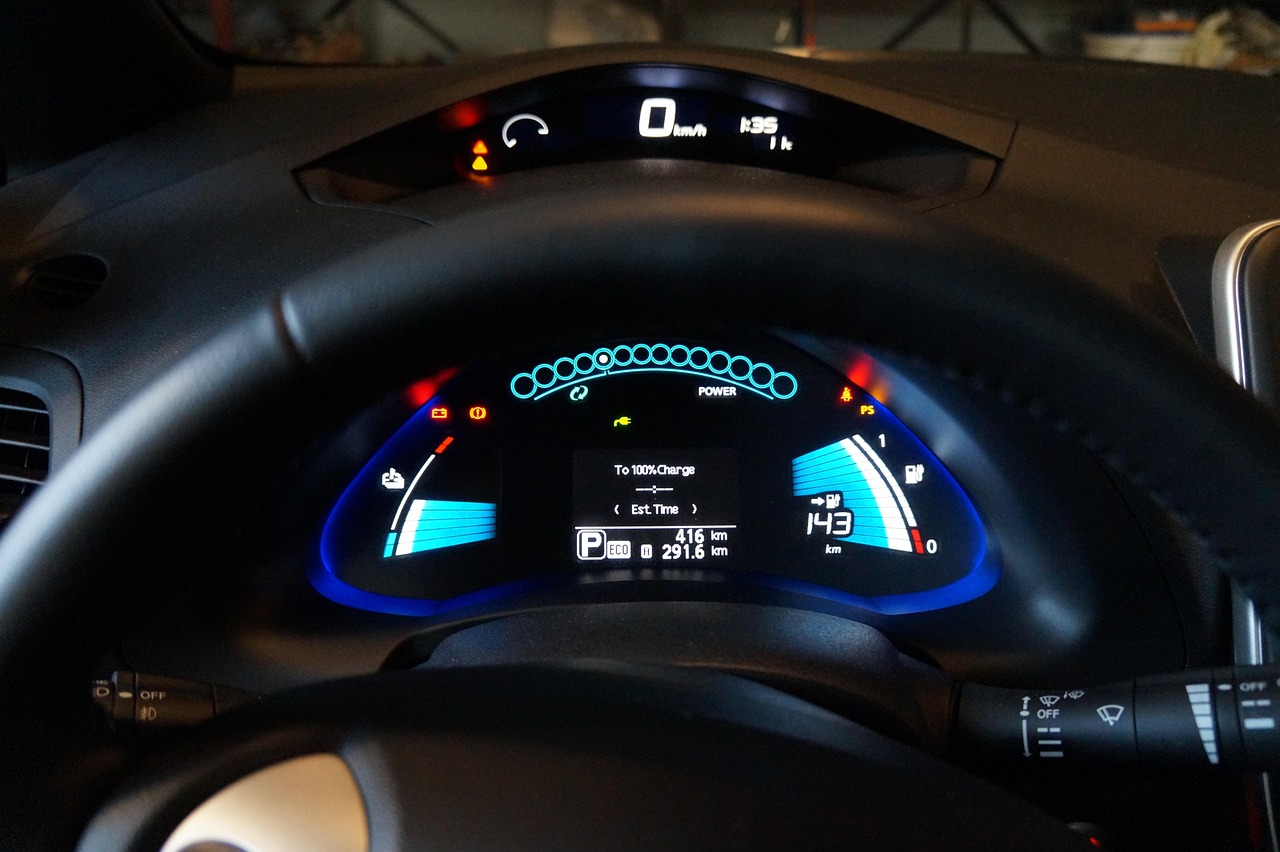
The latest iteration of the Nissan Leaf has been revamped from the ground up, including a host of cutting-edge infotainment features
Nissan added a NACS port alongside the traditional J1772 charging connection, providing access to Tesla’s Supercharger network without adapters. The dual charging ports offer unprecedented convenience, with fast charger access on both the driver and passenger side of the vehicle.
The interior receives substantial upgrades in materials quality, technology integration, and space efficiency. Higher trim levels feature Google built-in infotainment systems, wireless Apple Carplay, android auto, and a wireless charging pad for compatible devices.
Pricing and Trim Levels
The 2026 Nissan Leaf lineup includes three distinct trim levels, each targeting different buyer priorities and budgets:
| Trim | Expected Pricing | Key Features |
|---|---|---|
| S+ | ~$48,000 | 75 kWh battery, ~415km range, heat pump |
| SV+ | ~$51,000 | 214 hp motor, larger displays, enhanced features |
| Platinum+ | ~$55,500 | Premium materials, Bose audio, all available features |
For most buyers, the S+ represents the best value proposition, adding the larger battery pack, extended range, and a heat pump for improved winter efficiency.
The SV+ trim introduces the more powerful 214-horsepower electric motor and larger infotainment displays, while the range-topping Platinum+ includes premium amenities like a 10-speaker Bose sound system and wireless charging pad.
Compared to competitors like the Chevrolet Equinox EV and Hyundai Kona Electric, the Nissan Leaf maintains a pricing advantage, particularly in lower trim levels where other manufacturers often start above $35,000.
What is the Range and Battery Performance of the Nissan Leaf?
The new Nissan Leaf offers two battery pack options designed to meet different driving needs and budgets. The S+, SV+, and Platinum+ trims feature a larger 75-kWh liquid cooled battery pack.
EPA range estimates vary significantly across the Leaf's trims:
- S+ trim: ~490km (maximum range configuration)
- SV+ trim: ~460km
- Platinum+ trim: ~410km
The range variations reflect different wheel sizes, motor configurations, and weight distributions across the lineup. The S+ achieves maximum range through optimized aerodynamics and the efficient 174-horsepower motor, while higher trims sacrifice some efficiency for additional power and features.
Our testing suggests the Leaf delivers competitive highway range, with the improved 0.26 drag coefficient contributing to efficiency at higher speeds. The liquid-cooled battery maintains more consistent performance in extreme temperatures compared to the previous generation’s air-cooled design.
Winter performance benefits from an available battery heater that preheats the battery pack before charging sessions, ensuring optimal charging speeds in cold conditions. Combined with the standard heat pump on SV+ and Platinum+ trims, the new leaf addresses previous concerns about cold-weather range loss.
Charging Capabilities
The 2026 Nissan Leaf introduces revolutionary charging flexibility through its dual-port design. The driver side features a traditional J1772 port for Level 1 and Level 2 charging, while the passenger side houses a NACS port providing direct access to Tesla’s Supercharger network.
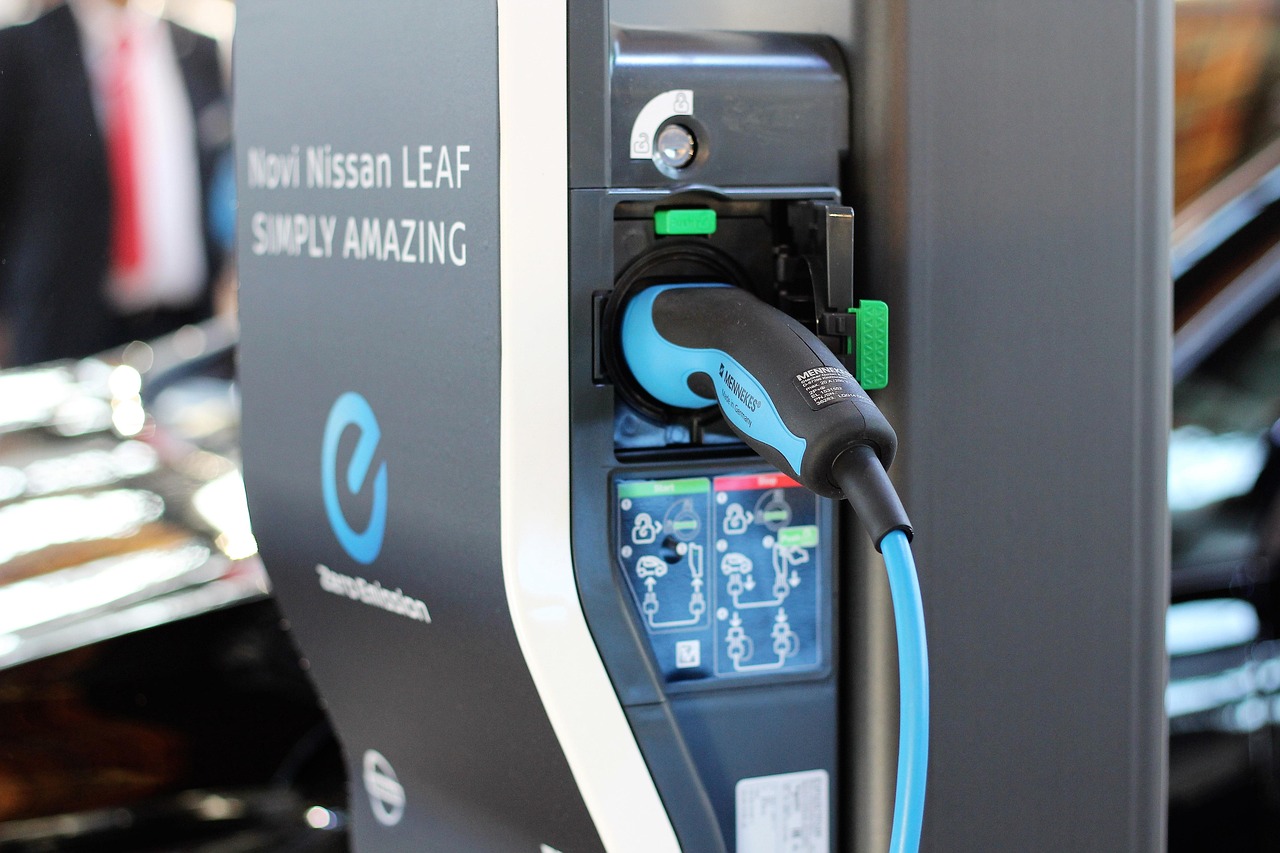
With multiple charging options, the Nissan Leaf presents a versatile option for Calgarians looking to make the switch to EVs
DC fast charging reaches speeds up to 150 kW, enabling 10-80% charging in approximately 30-35 minutes under optimal conditions. This represents a dramatic improvement over previous leaf models, which were limited to slower charging speeds that made road trips challenging.
Charging time estimates include:
- 10-80% charge: 30-35 minutes at 150kW dc fast chargers
- 113 miles of range: Added in 15 minutes
- Full charge: 8-10 hours on Level 2 home charging
The NACS port integration eliminates the need for adapters when using Tesla Superchargers, streamlining the charging experience for long-distance travel. With thousands of fast charger locations accepting NACS connections, the leaf gains access to the most extensive fast-charging network in North America.
The vehicle’s charging system includes intelligent battery preconditioning, automatically warming the battery during navigation to fast charger locations to ensure optimal charging speeds upon arrival.
How is the Nissan Leaf's Performance and Driving Experience?
The new Nissan Leaf offers two motor configurations targeting different performance preferences. The base S+ trim receives a 174-horsepower front-wheel drive motor providing adequate acceleration for daily driving, while SV+ and Platinum+ trims feature a more powerful 214-horsepower unit delivering 261 lb ft of torque.
Performance specifications:
- SV+/Platinum+ trims: 214 hp, 261 lb ft torque
- 0-60 mph: 6.9 seconds (Platinum+ trim)
- Top speed: Limited for efficiency
The Nissan Leaf’s performance prioritizes smooth, quiet operation over outright acceleration thrills. The instant torque delivery provides confident merging and passing capability, while one pedal driving allows drivers to modulate speed using primarily the accelerator pedal through regenerative braking.
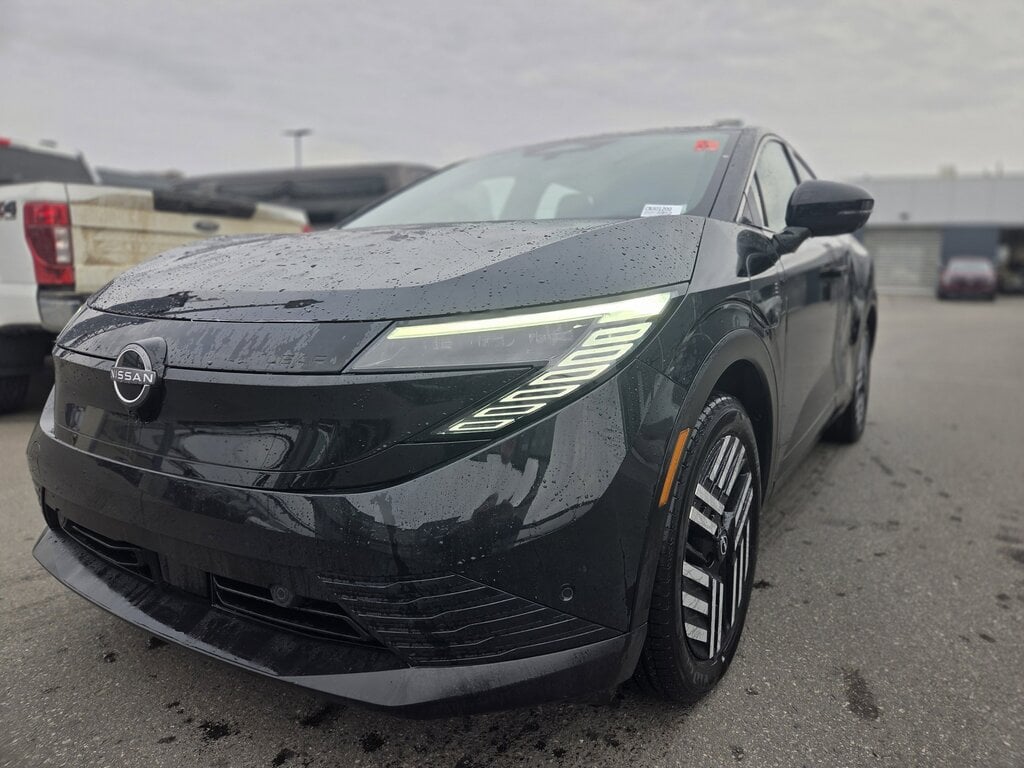
The Leaf's electric motor doesn't sacrifice any performance, ensuring a smooth ride for daily drivers and weekend adventurers alike.
With four drive modes (Standard, Eco, Sport, and Personal) you can tailor the Nissan Leaf’s performance to fit your driving style and needs. Sport mode gives you a bit more pep with sharper throttle response and less regenerative braking, while Eco mode helps stretch your range by optimizing efficiency.
Even with the higher SUV-style seating, the Leaf stays steady on the road thanks to its low center of gravity from the floor-mounted battery. You’ll notice well-controlled body roll and a smooth, comfortable ride thanks to the multi-link rear suspension, all without too much road noise.
The Leaf’s front-wheel-drive setup keeps things affordable and maximizes cabin space, though it does mean you won’t find an all-wheel-drive option if you’re looking for extra traction during Calgary’s snowy winters.
Interior Design and Features
The 2026 Nissan Leaf interior focuses on spaciousness and a fresh, modern look compared to the previous generation. Thanks to a flat floor and a slimmer center console, the cabin feels open and airy, giving you more room to stretch out.
Seating five comfortably, the Leaf offers improved rear legroom, perfect for Calgary families or carpooling with friends. The front seats are supportive and heated, with higher trims adding a heated steering wheel to keep you cozy during those chilly Alberta winters.
Cargo space is about 56 cubic feet behind the rear seats, which is competitive for a compact electric SUV. The handy Divide-N-Hide system lets you customize your storage, though the sloped roofline means you might lose a bit of vertical cargo space compared to boxier SUVs.
Inside, you’ll notice a big step up in materials quality, with nicer plastics and better fit and finish, especially in the Platinum+ trims. The minimalist dashboard highlights dual displays but keeps essential climate and function controls within easy reach.
For added ambiance, the Platinum+ trim offers up to 64 colors of ambient lighting to set the mood. Other thoughtful touches include a motion-activated liftgate, USB-C ports throughout the cabin, and an acoustic windshield to help keep road noise down, great for Calgary’s busy streets and highways.
Technology and Infotainment
The new Nissan Leaf infotainment systems vary significantly across trim levels, with base models receiving capable but basic functionality while higher trims gain advanced Google built-in technology.
Display configurations include:
- S+ trim: Dual 12.3-inch displays with standard infotainment
- SV+/Platinum+ trims: Dual 14.5-inch displays with Google built in
All leaf models include wireless Apple CarPlay and Android Auto connectivity as standard equipment, eliminating the need for cable connections during daily use. Higher trims with Google built-in provide integrated Google Maps navigation, Google Assistant voice control, and direct access to Google Play Store applications.
The Platinum+ trim adds a premium 10-speaker Bose sound system and wireless charging pad compatible with most modern smartphones. A head-up display projects essential driving information onto the windshield, reducing the need to look away from the road.
Subscription requirements apply to some advanced features after the first year, including remote start, vehicle tracking, and certain connected services. The base infotainment system remains fully functional without subscriptions, ensuring core functionality isn’t compromised for budget-conscious buyers.
Safety and Driver Assistance
The Nissan Leaf’s structure benefits from the inherent safety advantages of EV design, with no engine block in the front crumple zone and a low center of gravity reducing rollover risk.
Every Nissan Leaf includes Safety Shield 360 as standard equipment across all leaf trims, providing comprehensive safety technology typically reserved for higher-end vehicles. The suite includes adaptive cruise control, rear cross traffic alert, automatic emergency braking with pedestrian detection, and blind spot monitoring.
ProPilot Assist comes standard on all models, combining adaptive cruise control with lane centering assistance for semi-autonomous highway driving. The system maintains set speeds and following distances while providing gentle steering inputs to keep the vehicle centered in its lane.
Additional safety features include:
- 360-degree camera system: Available on higher trims with HD enhancement
- Secondary Collision Mitigation Braking: Nissan-first technology for post-crash safety
- High-beam assist: Automatic headlight management based on traffic conditions
- Lane departure prevention: Active intervention when unintentional lane changes occur
Pros and Cons
Advantages:
- Starting price under $50,000 makes it one of the most affordable new EVs
- Dual charging ports with NACS compatibility provide unmatched charging flexibility
- 490km maximum range addresses range anxiety concerns
- Comprehensive safety technology standard across all trims
- Improved interior space and materials quality over previous generation
- Proven Nissan reliability
Drawbacks:
- No all wheel drive option limits capabilities during heavy snowfall
- Range varies significantly between trim levels (416-490km)
- Some premium features require subscriptions after the first year
- Cargo space compromised by sloped roofline design
- No rear seat heating on lower trim levels
- Limited towing capability compared to some competitors
The Leaf’s shift to an SUV style addresses many of the issues drivers in Calgary had with earlier models, all while keeping the affordability that made it popular. That said, some Calgarians might be a bit disappointed by the absence of all-wheel drive and the fact that certain features require subscriptions, which means not everything is available right out of the gate.
Verdict and Recommendation
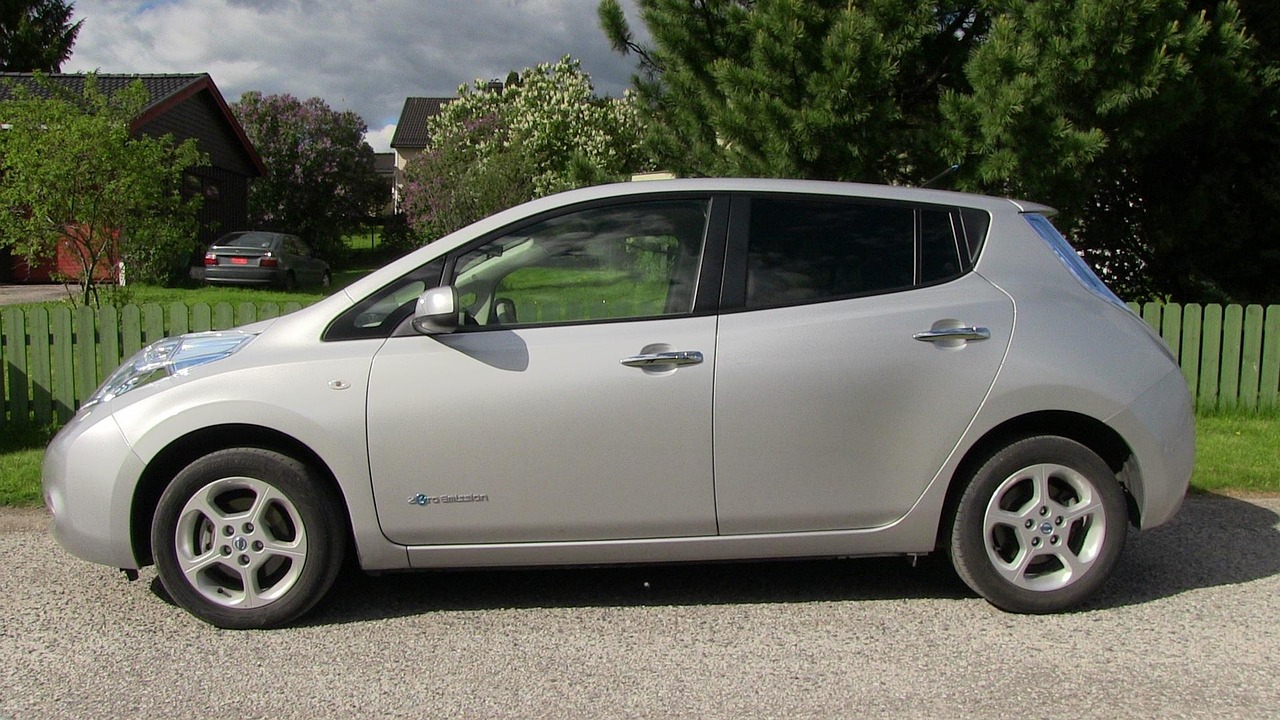
Visit us today on Country Hills Boulevard to learn more about the new Nissan Leaf and test drive one for yourself!
The 2026 Nissan Leaf successfully reinvents itself as a practical, affordable electric SUV without sacrificing the accessibility that made previous generations appealing to mainstream buyers. The transformation from hatchback to crossover broadens its appeal, while the substantially improved range, charging speed, and interior quality address previous weaknesses.
For most buyers, we recommend the S+ trim represents the optimal choice, providing ideal range, a larger battery pack, and heat pump technology at a reasonable price premium. The extra range capability and thermal management justify the additional cost for anyone planning longer trips or living in harsh climates.
The Platinum+ trim suits buyers wanting luxury amenities and the most advanced technology, though the range penalty and higher price limit its appeal to buyers prioritizing features over efficiency.
Ideal buyers include:
- First-time EV buyers seeking affordable entry into electric driving
- Urban and suburban commuters needing reliable daily transportation
- Budget-conscious families wanting modern safety technology
- Road trip enthusiasts appreciating fast charging and Tesla Supercharger access
Consider alternatives if you need:
- All-wheel drive for enhanced traction
- Maximum cargo space for large families
- Premium luxury features without subscription requirements
Overall, the newly redesigned Nissan Leaf shows a fresh take on this affordable EV classic, keeping everything that made it great while adding some solid upgrades. With its competitive pricing, better range, and versatile charging options, the new Leaf is a smart and accessible choice for drivers at who are ready to switch to electric. Visit Country Hills Nissan today to book a test drive and see this exciting new model's capabilities for yourself!